
Bulking is already hard when you're naturally skinny. Now throw gluten intolerance or celiac disease into the mix, and it feels damn near impossible.
Bread? Gone. Pasta? Mostly gone. Those easy 800-calorie burritos from the food truck? Forget about it.
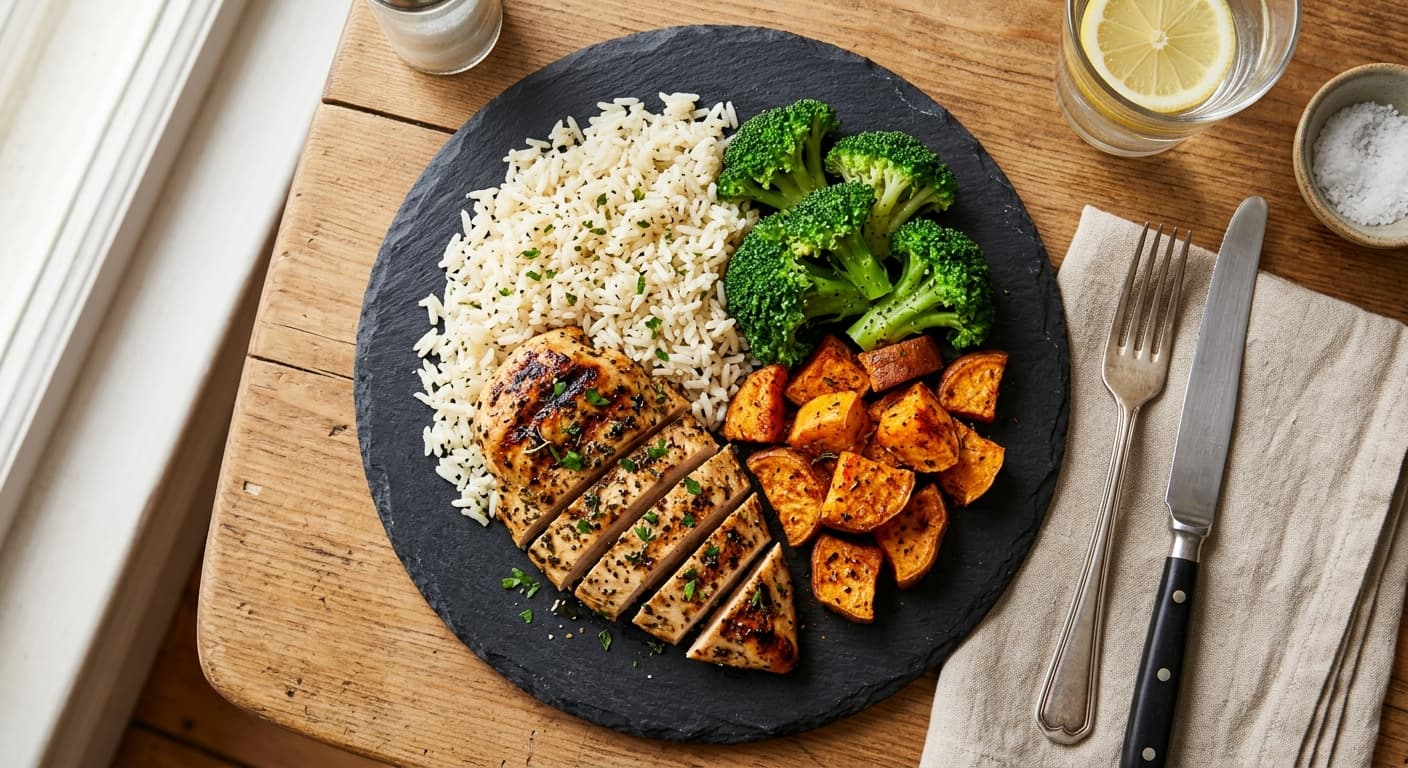
But here's the thing — some of the best bulking foods on the planet are naturally gluten-free. Rice, potatoes, oats (certified GF), eggs, meat, dairy, nuts, and legumes. You're not as limited as you think. You just need a plan that works around the restriction instead of fighting it.
This guide covers everything: how to structure your calories, which foods to prioritize, sample meal plans, and the mistakes that keep gluten-free lifters stuck at the same weight for months.
- Most high-calorie bulking staples (rice, potatoes, oats, meat, eggs, nuts) are naturally gluten-free
- Aim for a 300-500 calorie surplus using calorie-dense whole foods — not just GF packaged junk
- Use rice and potatoes as your primary carb sources instead of bread and pasta
- Certified gluten-free oats are safe for most people with celiac — always check the label
- Liquid calories (shakes, smoothies) are your best friend for hitting high calorie targets
- Track macros for at least 4-6 weeks to learn what works for your body
Why Gluten-Free Bulking Feels Harder (But Isn't)
Let's be honest — gluten makes bulking convenient. A PB&J sandwich is 500 calories in 2 minutes. A bowl of pasta with ground beef is 800+ calories with zero thought. When you remove gluten, you lose a lot of those easy, default options.
But convenience isn't the same as necessity. The foods that actually drive muscle growth — protein sources, healthy fats, and complex carbs — are overwhelmingly gluten-free already.
Here's what you're really losing:
- Wheat-based carbs: bread, regular pasta, most cereals, flour tortillas
- Easy grab-and-go foods: sandwiches, wraps, most fast food, granola bars
- Some sauces and seasonings: soy sauce, certain marinades, gravy mixes
And here's what you still have:
- All meats, fish, and eggs — zero gluten
- Rice, potatoes, sweet potatoes, quinoa, corn — your new carb staples
- All dairy (plain, unflavored) — milk, cheese, yogurt, cottage cheese
- Nuts, seeds, nut butters — calorie bombs with no gluten
- Beans, lentils, chickpeas — cheap protein and carb combos
- All fruits and vegetables — obviously
The real challenge isn't nutrition — it's replacing the convenience factor. And that's what we're going to solve.
Step 1: Calculate Your Gluten-Free Bulking Calories
The calorie math doesn't change just because you're avoiding gluten. Your body doesn't care whether those calories came from wheat bread or rice — it processes them the same way.
Find Your Maintenance Calories
Use this simple formula to estimate your Total Daily Energy Expenditure (TDEE):
- Sedentary (desk job, no exercise): bodyweight in lbs × 13-14
- Moderately active (3-4 gym sessions/week): bodyweight in lbs × 15-16
- Very active (5+ sessions + physical job): bodyweight in lbs × 17-18
Example: A 154 lb moderately active guy: 154 × 15.5 = 2,387 calories (roughly 2,400).
Add Your Surplus
For a lean bulk: add 300-500 calories to your TDEE.
That puts our example guy at 2,700-2,900 calories per day. Totally doable without a single gram of gluten.
If you want a more detailed breakdown, check out our guide on how to calculate your bulking calories.
Set Your Macros
| Macro | Target | Why |
|---|---|---|
| Protein | 0.7-1.0g per lb bodyweight | Muscle protein synthesis — the non-negotiable |
| Fat | 0.35-0.55g per lb bodyweight | Hormones, absorption, calorie density |
| Carbs | Fill remaining calories | Training fuel, recovery, the fun stuff |
For our 154 lb guy eating 2,800 calories:
| Macro | Grams | Calories |
|---|---|---|
| Protein | 154g (1.0g/lb) | 616 |
| Fat | 78g (0.5g/lb) | 702 |
| Carbs | 370g (remainder) | 1,482 |
| Total | — | 2,800 |
Step 2: Master Your Gluten-Free Carb Sources
Carbs are where most gluten-free lifters struggle. When bread and pasta are off the table, you need reliable replacements that are easy to cook, affordable, and calorie-dense.
Tier 1: Your Daily Staples
These should make up 70-80% of your carb intake:
| Food | Calories per 3.5 oz (cooked) | Carbs | Notes |
|---|---|---|---|
| White rice | 130 | 28g | The GOAT of GF bulking carbs |
| Sweet potatoes | 86 | 20g | Loaded with micronutrients |
| White potatoes | 77 | 17g | Cheap, versatile, easy to eat in volume |
| GF oats | 71 | 12g | Must be certified gluten-free |
| Quinoa | 120 | 21g | Complete protein + carbs combo |
Cook a massive batch of rice at the start of the week. Having 5-6 servings ready in the fridge removes the biggest friction point from gluten-free meal prep.
Tier 2: Variety and Convenience
| Food | Best For |
|---|---|
| Corn tortillas | Tacos, wraps, quesadillas — way cheaper than GF bread |
| Rice noodles | Stir-fries, pad thai, soups |
| GF pasta (rice or corn-based) | When you're craving a pasta dish |
| Plantains | Fried or baked — amazing calorie density |
| Buckwheat (despite the name, it's GF) | Pancakes, porridge |
Tier 3: Quick Energy
| Food | Calories | When to Use |
|---|---|---|
| Bananas | 105 per medium | Pre/post workout, shakes |
| Dried fruit (dates, raisins, figs) | 280-300 per 3.5 oz | Snacking, adding to oats |
| Rice cakes | 35 per cake | Snack vehicle — top with PB |
| Honey/maple syrup | 60-64 per tbsp | Adding to oats, yogurt, shakes |
Foods to Be Careful With
Some "safe" foods can contain hidden gluten:
- Oats: Only buy "certified gluten-free" — regular oats are cross-contaminated during processing
- Soy sauce: Contains wheat. Use tamari (GF version) instead
- Seasoning blends: Some contain wheat flour as a filler. Read labels
- Sausages and deli meats: Some brands use wheat-based fillers or binders
- Protein bars: Many use wheat-based ingredients. Check every time
- Beer: Made from barley. Switch to hard seltzer, wine, or GF beer if you drink
If you have celiac disease (not just a sensitivity), cross-contamination matters. Use separate cooking surfaces, check every label, and don't trust "probably fine." Even trace amounts can trigger an immune response and hurt your recovery.
Step 3: Nail Your Protein Without Gluten Worries
Good news — almost every high-quality protein source is naturally gluten-free. This is the one area where going GF barely changes anything.
Best Gluten-Free Protein Sources
| Food | Protein per 3.5 oz | Calories | Cost |
|---|---|---|---|
| Chicken breast | 31g | 165 | $$ |
| Eggs (2 large) | 12g | 143 | $ |
| Ground beef (85/15) | 26g | 215 | $$ |
| Greek yogurt | 10g | 59 | $ |
| Cottage cheese | 11g | 98 | $ |
| Canned tuna | 26g | 116 | $ |
| Salmon | 25g | 208 | $$$ |
| Whey protein powder | ~25g per scoop | ~120 | $$ |
Most whey protein powders are naturally gluten-free, but some add cookie/brownie pieces or use shared equipment. Stick to brands that are certified GF or explicitly labeled. Optimum Nutrition, Dymatize ISO100, and Naked Whey are all safe bets.
For a deep dive on protein intake, check out how much protein you actually need to build muscle.
Protein Distribution
Spread your protein across 4-5 meals. For 154g daily protein, that's roughly 30-38g per meal across 4-5 eating windows.
| Meal | Example | Protein |
|---|---|---|
| Breakfast | 3 eggs + GF oats + milk | 32g |
| Lunch | Chicken + rice + veggies | 40g |
| Snack | Greek yogurt + nuts + honey | 22g |
| Post-workout shake | Whey + banana + PB + milk | 35g |
| Dinner | Ground beef + potatoes + salad | 35g |
| Total | 164g |
Step 4: Use Fats as Your Secret Calorie Weapon
When you can't lean on bread and pasta for easy calories, dietary fat becomes even more important. At 9 calories per gram (vs. 4 for carbs and protein), fat is the most efficient way to push your surplus higher.
Best High-Calorie Gluten-Free Fats
| Food | Calories | How to Use |
|---|---|---|
| Peanut butter (2 tbsp) | 190 | Add to shakes, oats, rice cakes |
| Almonds (1 oz) | 164 | Snacking, trail mix |
| Olive oil (1 tbsp) | 119 | Drizzle on rice, potatoes, salads |
| Avocado (½ medium) | 120 | On eggs, in shakes, as a side |
| Whole milk (1 cup) | 150 | Drink with meals, add to shakes |
| Cheese (1 oz) | 110 | Add to literally anything |
| Dark chocolate (1 oz) | 155 | Post-dinner snack |
Add 1 tbsp of olive oil to your rice while cooking. You won't taste it, but it adds 120 extra calories per serving. Over a full day, small additions like this are the difference between a surplus and spinning your wheels.
For more on using fats strategically, check out our guide on the best fats for bulking.
Gluten-Free Bulking Meal Plan (2,800 Calories)
Here's a full day of eating that hits all the macros without a gram of gluten. Every item is naturally GF or uses a simple GF substitute.
Meal 1: Breakfast (7:00 AM) — 620 cal
- 3 large eggs scrambled in butter
- 1 cup certified GF oats with milk and honey
- 1 banana
- 1 cup whole milk
| Macro | Amount |
|---|---|
| Calories | 620 |
| Protein | 34g |
| Carbs | 72g |
| Fat | 22g |
Meal 2: Lunch (12:00 PM) — 750 cal
- 7 oz grilled chicken thighs
- 1.5 cups cooked white rice (with 1 tbsp olive oil)
- 1 cup roasted sweet potatoes
- Side salad with olive oil dressing
| Macro | Amount |
|---|---|
| Calories | 750 |
| Protein | 45g |
| Carbs | 78g |
| Fat | 26g |
Meal 3: Afternoon Snack (3:30 PM) — 430 cal
- ¾ cup Greek yogurt
- 2 tbsp honey
- 1 oz walnuts
- Handful of dried dates
| Macro | Amount |
|---|---|
| Calories | 430 |
| Protein | 22g |
| Carbs | 52g |
| Fat | 16g |
Meal 4: Post-Workout Shake (5:30 PM) — 580 cal
- 1 scoop whey protein (certified GF)
- 1 large banana
- 2 tbsp peanut butter
- 1.5 cups whole milk
- 1 tbsp honey
| Macro | Amount |
|---|---|
| Calories | 580 |
| Protein | 40g |
| Carbs | 62g |
| Fat | 20g |
Meal 5: Dinner (8:00 PM) — 680 cal
- 7 oz ground beef (85/15) — seasoned with tamari and garlic
- 1 medium baked white potato with butter
- 1 cup steamed broccoli
- 1 oz shredded cheese on top
| Macro | Amount |
|---|---|
| Calories | 680 |
| Protein | 42g |
| Carbs | 48g |
| Fat | 32g |
Daily Totals
| Macro | Amount |
|---|---|
| Calories | 3,060 |
| Protein | 183g |
| Carbs | 312g |
| Fat | 116g |
If 3,060 is too high for you, drop the honey from the shake and reduce the rice portion at lunch to 1 cup. That'll put you closer to 2,700 — still a solid surplus for most skinny guys.
5 Gluten-Free Bulking Recipes That Slap
1. One-Pan Chicken and Rice
The ultimate lazy bulking meal — one pan, one protein, one carb, done.
- 10 oz chicken thighs (bone-in, skin-on)
- 1 cup uncooked jasmine rice
- 2 cups chicken broth (check it's GF)
- 1 tbsp olive oil
- Garlic, paprika, salt, pepper
Season chicken, sear skin-side down for 5 minutes. Add rice, broth, and spices. Cover and bake at 400°F for 25 minutes. ~850 calories, 55g protein.
2. Sweet Potato and Ground Beef Bowls
- 9 oz ground beef
- 2 medium sweet potatoes, cubed and roasted
- Black beans, corn, avocado, salsa
- Lime juice and cilantro
Brown the beef with cumin and chili powder. Combine with roasted sweet potatoes and toppings. ~780 calories, 42g protein.
3. GF Overnight Protein Oats
- 1 cup certified GF rolled oats
- 1 scoop whey protein
- 1 cup whole milk
- 2 tbsp peanut butter
- 1 tbsp chia seeds
Mix everything in a jar. Refrigerate overnight. Eat cold or microwave. ~650 calories, 42g protein.
4. Loaded Baked Potato Bar
This is meal prep gold. Bake 5-6 large potatoes on Sunday, then load them differently each day.
Topping combos:
- Chili + cheese + sour cream (800+ cal)
- Pulled chicken + BBQ sauce + coleslaw (700 cal)
- Tuna + mayo + green onion (600 cal)
- Eggs + bacon + cheese (750 cal)
5. Rice Cake PB&J Stack
The GF answer to a PB&J sandwich — takes 60 seconds.
- 3 rice cakes
- 3 tbsp peanut butter
- 2 tbsp jam/jelly (check for GF)
- Drizzle of honey
Stack or spread. ~550 calories, 16g protein. Perfect as a snack or pre-workout fuel.
Common Gluten-Free Bulking Mistakes
1. Relying on GF Packaged Products
Gluten-free bread, GF pasta, GF cookies — they're expensive, often lower in calories than their wheat counterparts, and nutritionally mediocre. Use them occasionally, but don't build your diet around them.
Instead: Build meals around naturally GF whole foods. They're cheaper, more nutritious, and usually higher in calories.
2. Not Eating Enough Carbs
Some guys go gluten-free and accidentally go low-carb because they cut out bread and pasta without replacing them. Your muscles need glycogen to train hard and recover.
Fix: Rice, potatoes, and oats should appear in almost every meal. Aim for at least 250-400g of carbs daily while bulking.
3. Ignoring Cross-Contamination (Celiac)
If you have celiac disease, sharing a toaster with regular bread or using the same colander for GF and regular pasta can trigger symptoms and hurt your recovery. This isn't about being paranoid — it's about protecting your gains.
4. Skipping Meal Prep
Gluten-free eating requires slightly more planning because grab-and-go options are limited. If you don't meal prep, you'll end up under-eating or spending a fortune on GF convenience foods.
Fix: Dedicate 2-3 hours on Sunday to batch cooking. Check out our complete meal prep guide for a system that works.
5. Forgetting About Liquid Calories
When solid food feels like a chore, drink your calories. A well-made shake can pack 600-800 calories and goes down way easier than another plate of chicken and rice.
For shake inspiration, check out our high-calorie shake recipes.
Gluten-Free Bulking Grocery List
Here's a no-nonsense grocery list to get you started. Everything on this list is naturally gluten-free (or clearly marked as certified GF).
Proteins
- Chicken thighs and breasts
- Ground beef (85/15)
- Eggs (buy the 24-pack)
- Canned tuna
- Greek yogurt
- Cottage cheese
- Whey protein powder (certified GF)
Carbs
- Jasmine or basmati rice (buy in bulk — 10 lb bags)
- Sweet potatoes
- White potatoes
- Certified GF oats
- Bananas
- Corn tortillas
- Rice cakes
- Dried fruit (dates, raisins)
Fats
- Peanut butter (natural, no additives)
- Olive oil
- Butter
- Almonds and walnuts
- Avocados
- Cheese (cheddar, mozzarella)
- Whole milk
Extras
- Tamari (GF soy sauce)
- Salsa
- Honey and maple syrup
- Spices (garlic powder, paprika, cumin, chili powder)
- Frozen vegetables (broccoli, green beans, mixed)
- Chicken broth (check label for GF)
For a more comprehensive list with budget tips, see our bulking grocery list on a budget.
Supplements for Gluten-Free Bulkers
Most supplements are gluten-free, but it's worth double-checking labels — especially for products with added flavors, fillers, or cookie/brownie pieces.
Safe Bets
| Supplement | Notes |
|---|---|
| Creatine monohydrate | Pure creatine is always GF. Most researched, most effective |
| Whey protein isolate | Lower lactose AND almost always GF. Win-win |
| Vitamin D | Important if you're avoiding fortified cereals/bread |
| Magnesium | Often low in GF diets — helps sleep and recovery |
| Fish oil | Pure fish oil capsules are GF |
Watch Out For
- Mass gainers: Many contain maltodextrin from wheat. Check the allergen statement
- Pre-workouts: Usually fine, but some contain wheat-derived ingredients
- Protein bars: Notorious for hidden gluten. Quest bars, RXBARs, and KIND bars are generally safe — but always verify
How to Eat Out Gluten-Free While Bulking
Eating out is where most GF lifters either give up or accidentally get glutened. Here are your best options:
Best Restaurant Choices
- Mexican restaurants: Rice, beans, corn tortillas, grilled meat, guacamole — almost everything is naturally GF. Ask about flour contamination on the grill
- Asian restaurants: Rice-based dishes, stir-fries with tamari, sashimi. Avoid anything with soy sauce (ask for tamari or bring your own packets)
- Steakhouses: Steak + baked potato + veggies. Simple and safe
- Burger joints: Most will serve your burger on a lettuce wrap or GF bun. Add extra patties for more protein
- Chipotle/similar: Bowl with rice, double meat, beans, cheese, guac. Easy 900+ calorie GF meal
What to Say When Ordering
Keep it simple: "I have a gluten allergy. Can you make sure there's no bread, flour, or soy sauce in my meal?" Most restaurants are used to this by now.
When in doubt, go with grilled protein + rice or potatoes + vegetables. It's boring, but it's safe, high-calorie, and available at almost every restaurant.
Tracking Your Progress
Going gluten-free doesn't change how you track progress. The fundamentals are the same:
- Weigh yourself daily at the same time (morning, after bathroom, before food)
- Use the weekly average, not daily numbers — weight fluctuates
- Target: 0.5-1 lb per week gain for a lean bulk
- Take progress photos every 2 weeks — same lighting, same angle
- Track your lifts — strength going up means muscle is being built
If the scale isn't moving after 2 weeks of consistent eating, add 200 calories (easiest way: extra tbsp of peanut butter + a splash more milk in your shake).
If you're gaining faster than 1 lb per week, you're probably adding unnecessary fat. Pull back by 200 calories.
Why FuelTheGains Makes Gluten-Free Bulking Easier
The hardest part of gluten-free bulking isn't the food — it's the planning. Figuring out what to eat, making sure it's actually GF, and hitting your calorie targets every single day.
That's where comes in. You tell it your dietary restrictions (including gluten-free), your calorie target, and your food preferences — and it builds a complete meal plan that actually works for your life. No guesswork, no spreadsheets, no accidentally buying the wrong oats.
It's built specifically for skinny guys who want to bulk, which means every meal plan is designed to be calorie-dense, practical, and easy to follow.
The Bottom Line
Bulking on a gluten-free diet isn't harder — it's just different. The best muscle-building foods (meat, eggs, rice, potatoes, dairy, nuts) don't contain gluten in the first place.
Your job is simple: eat enough calories, hit your protein target, train hard, and be consistent. The gluten-free part is just a filter on your food choices, not a roadblock to your gains.
Start with the meal plan above, adjust portions to match your calorie needs, and give it 4 weeks. You'll be surprised how quickly this becomes second nature.